Why Sustainable, Slow Fashion Matters in 2026!
Slow fashion is more important than ever in 2026.
With more people looking for quality, transparency, and responsible production, embracing slow fashion is one of the easiest ways to support the planet and the people behind the garments. It’s about investing in well-made pieces that last, reducing waste, and supporting brands that value ethics over fast trends.
Slow fashion is also a way to express your personal style, choosing fewer, but better pieces of clothing. It encourages thoughtful shopping, supporting small businesses and local makers, and keeping clothing out of landfills.
In 2026, sustainability isn’t just a trend. It’s a movement toward caring for the environment, protecting workers, and choosing a wardrobe that reflects your values.
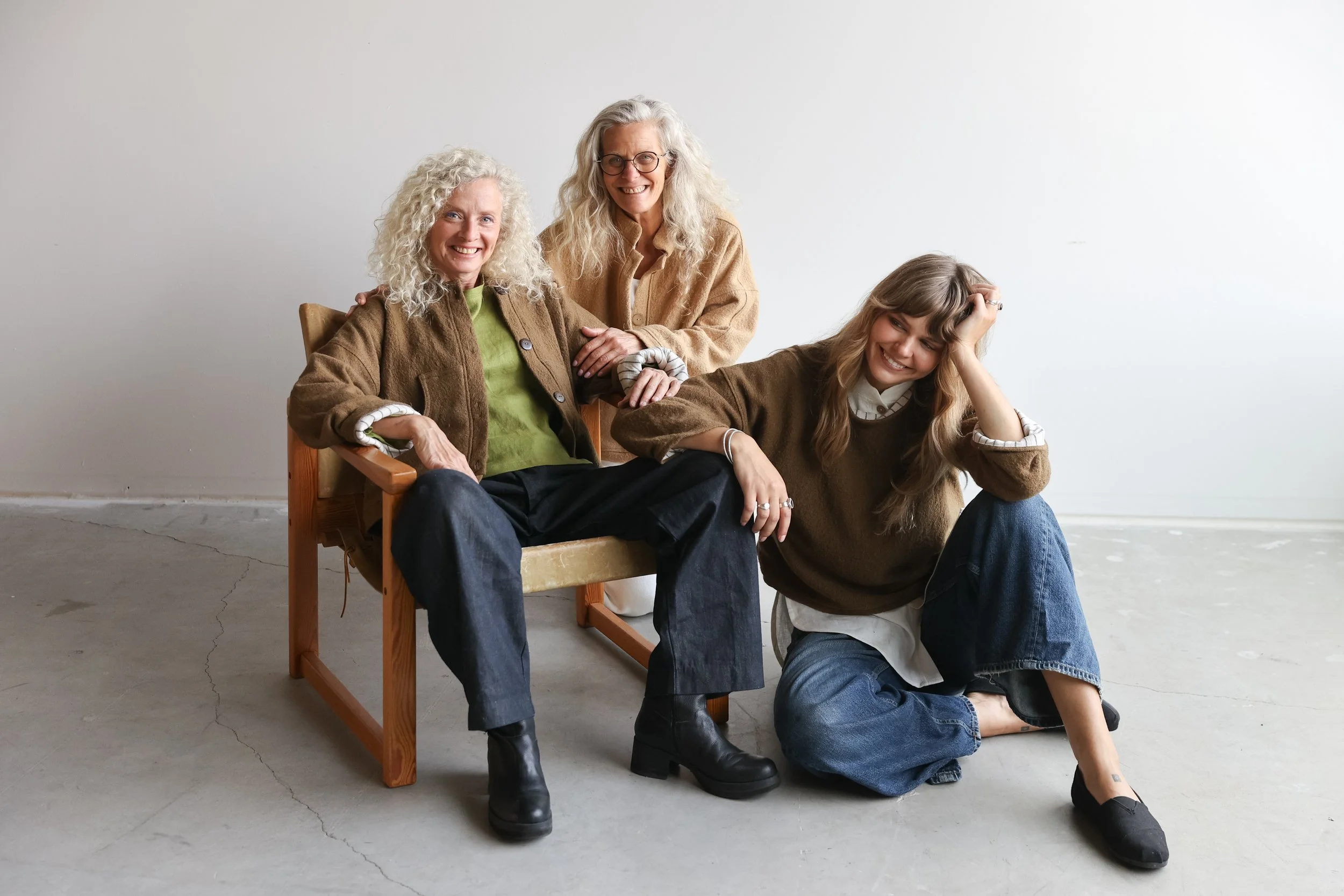
I share the story of how I started my slow fashion brand, driven by the belief that we need to protect our planet.
In this article, we explore:
The true cost of the fast fashion industry
The environmental impact of the slow fashion movement
How to build a timeless, minimalist, and sustainable winter wardrobe with linen and wool
The sustainability benefits of linen
How to wash and care for linen and other sustainable fabrics
What a sustainable, slow fashion brand looks like
Join us on a journey toward a more conscious, ethical, and stylish world!
Inspired by Nature: Designing with Care and Producing with Respect for the Planet
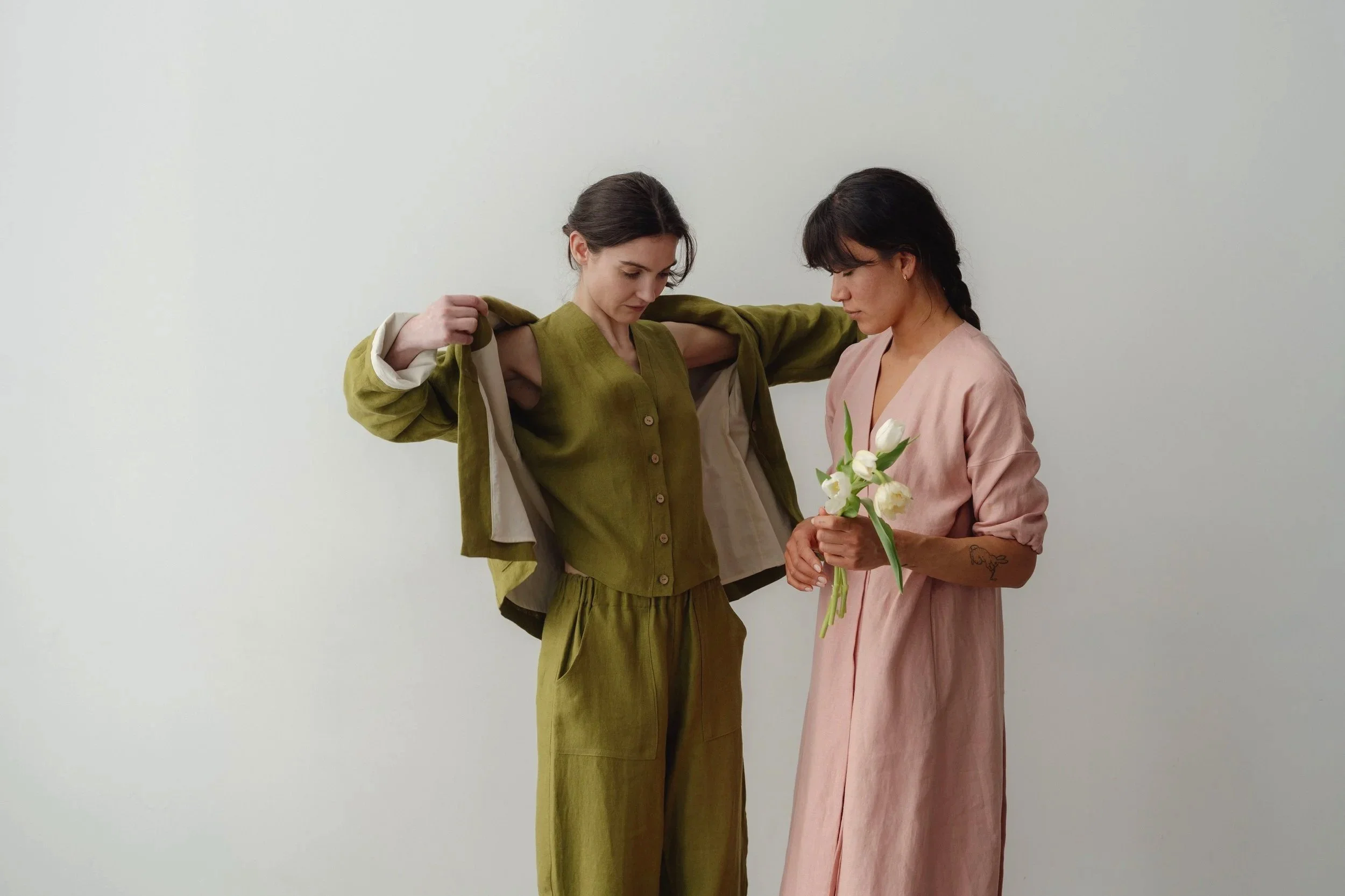
I started my linen clothing business, Nomi Designs, in Victoria in 2018, when slow fashion was still almost unknown in the fashion industry. From the beginning, I wanted my work to reflect what matters to me: the beauty of natural fabrics, caring for the planet, and creating quality clothes that last.
I grew up surrounded by nature and have always tried to pass that love and respect on to my children, teaching them why it’s important to connect with and protect the world around us. These values lie at the heart of everything I do.
These principles guide every piece of clothing I design. My goal is to create clothing that lasts, feels good to wear, and carries a message of thoughtfulness, care, and sustainability.

The True Cost of the Fast Fashion Industry
Fast fashion might seem trendy, affordable and convenient, but it comes at a high cost. Factories producing cheap, disposable clothing often use harmful chemicals that pollute rivers, soil, and the air. The processes waste water, energy, and natural resources, leaving a lasting mark on the planet.
The production of fast fashion also comes at the expense of the labourers in the factories. The people making these clothes are often in unsafe working conditions, working long hours with low pay and exposure to toxic dyes and fabrics. Their health and well-being are at risk, and the ethical costs are high.
Even for the wearer, fast fashion can be harmful. Many synthetic fabrics and chemically treated textiles are rough on the skin and may cause irritation or allergic reactions.
Fast fashion is also harmful to the environment. They wear out quickly, resulting in more waste and more purchases. Much of this clothing ends up in landfills, piling up in fields and sites where it cannot be recycled and continues to damage the planet.
The Environmental Impact of the Slow Fashion Movement
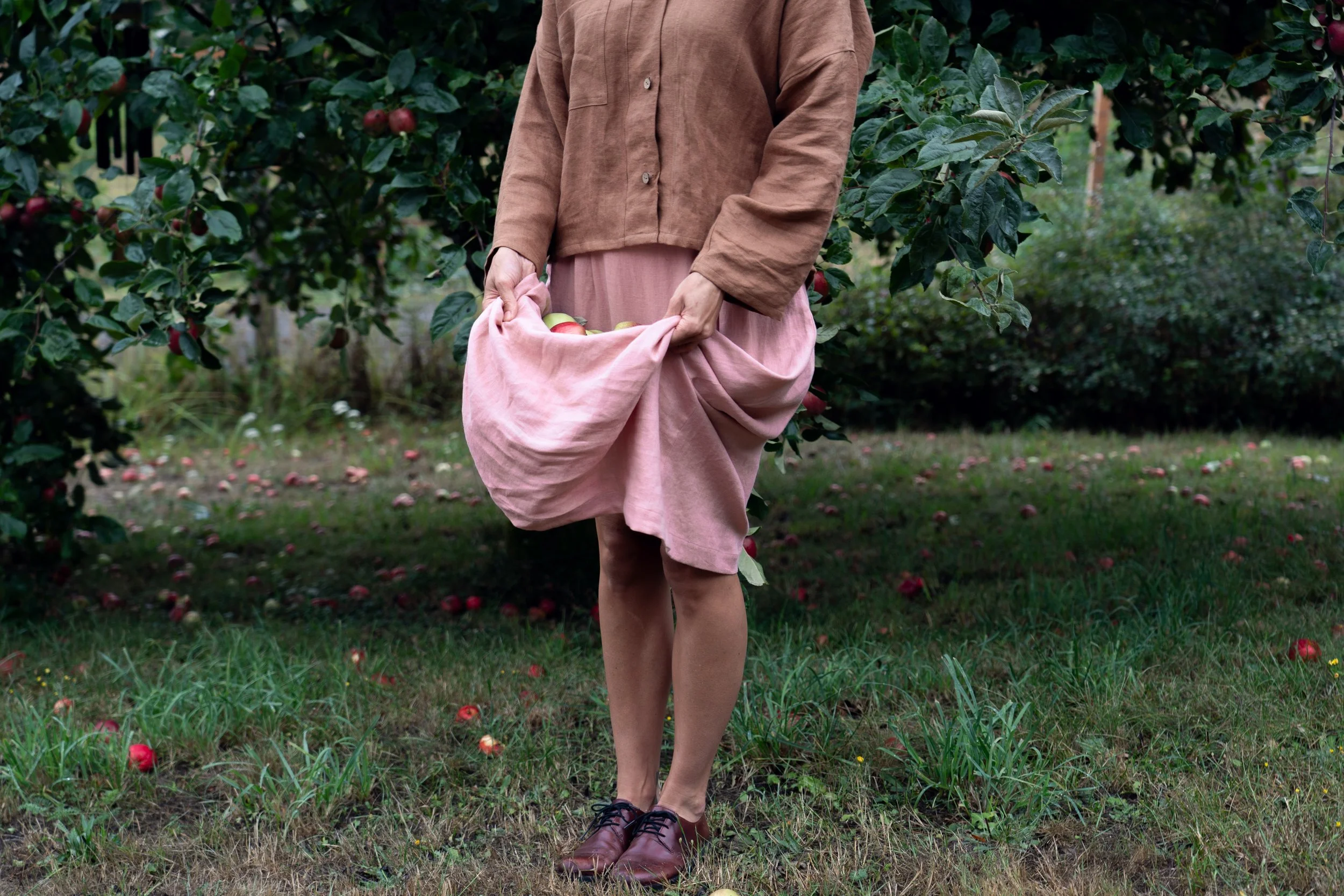
Sustainable fashion goes beyond trends; it’s about creating clothing in a way that protects our planet. Traditional fast fashion relies on mass production, synthetic fabrics, and short product lifespans, which have devastating effects on the environment. From water pollution caused by textile dyes to greenhouse gas emissions from manufacturing, fast fashion puts a heavy burden on our planet.
In contrast, the sustainable fashion industry focuses on using eco-friendly materials, maintaining ethical production standards, and creating long-lasting designs. Using natural fibers like linen, organic cotton, or wool reduces reliance on harmful chemicals and nonrenewable resources. Many sustainable fashion brands produce garments with low-impact dyeing techniques and recycled materials, helping to minimize textile waste and preserve water, soil, and biodiversity.
Another key benefit is reducing landfill waste. Clothing made to last and designed with timeless styles encourages people to wear items longer rather than discard them after a few uses. This means fewer clothes piling up in landfills, where synthetic fabrics can take hundreds of years to decompose.
By choosing sustainable fashion, we support a healthier planet, reduce pollution, and encourage responsible resource use. Every thoughtful choice—from the fabrics we wear to how we care for our clothes—can make a lasting difference for the environment.
You can read more about The Environmental Benefits of Sustainable Fashion in this article from Textile Worlds
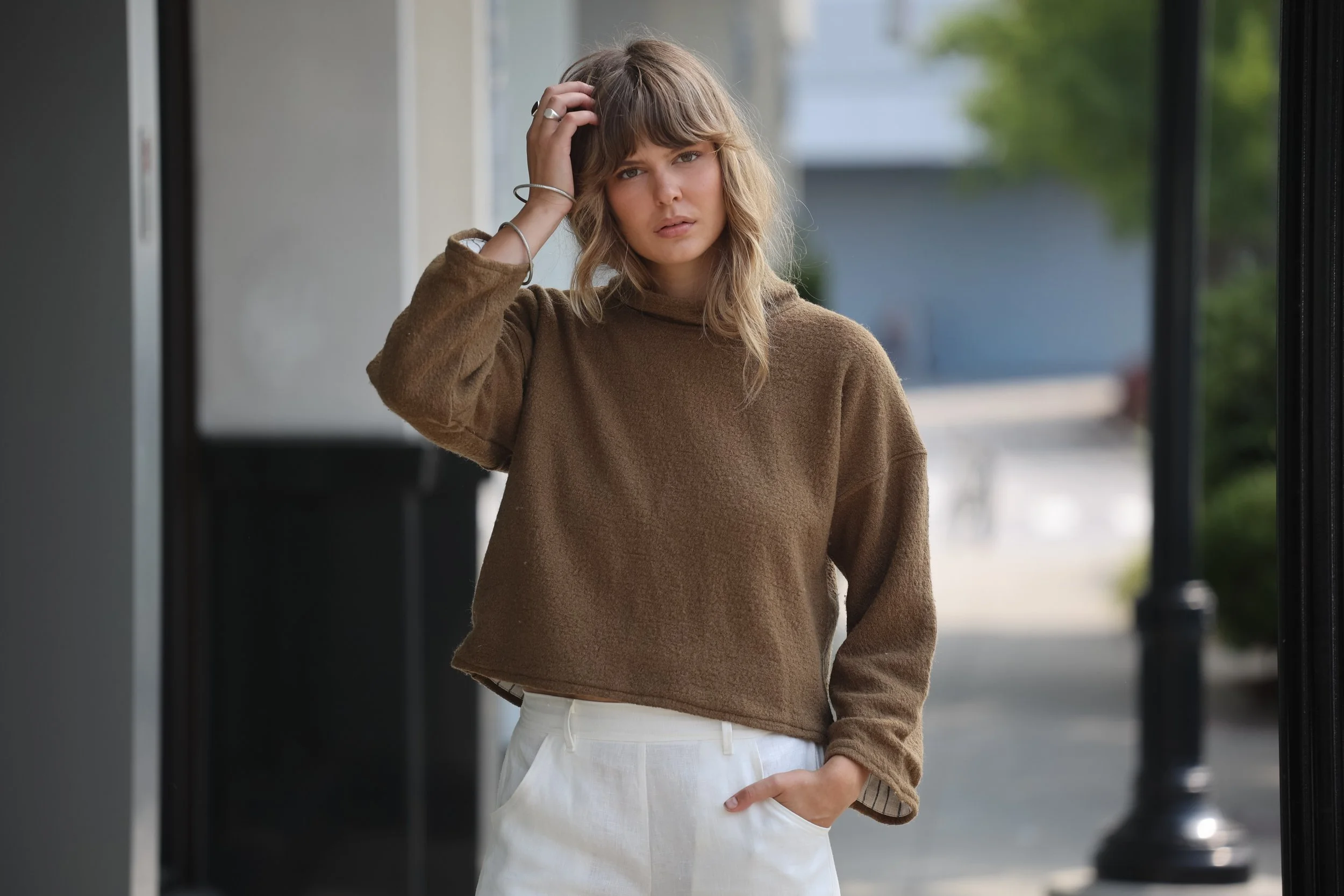
How to Build a Timeless, Minimalist, and Sustainable Winter Wardrobe with Linen & Wool
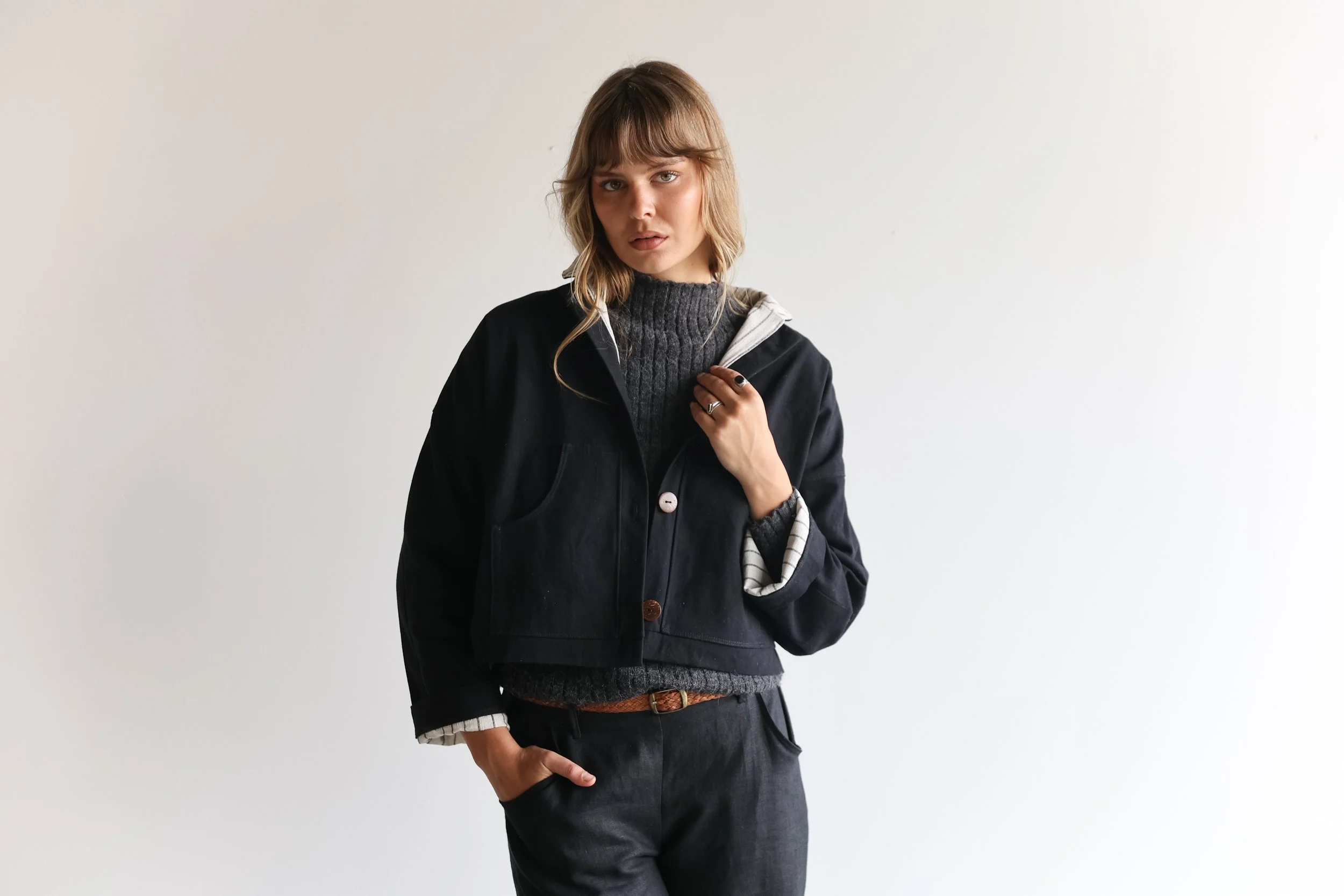
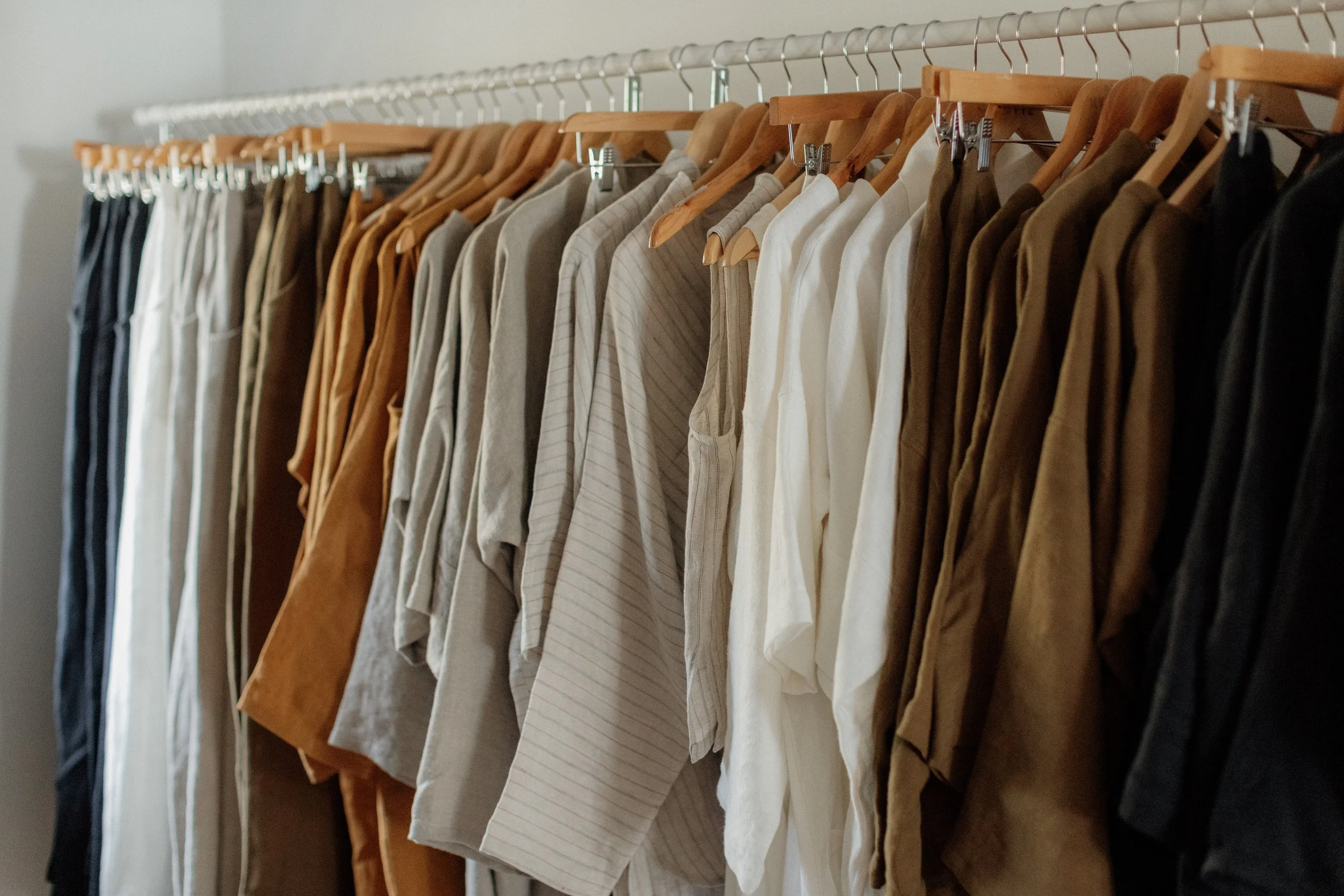
Joining the slow fashion movement is easier than you think. We curated a winter wardrobe that is timeless, minimalist, and sustainable by choosing quality wool/viscose fabrics as additional warmth to the linen pieces. We focused on versatile double-layer wool pieces combined with linen, such as coats, sweaters, and jackets, to keep you warm and ensure they last for years. You can layer a wool sweater over a linen shirt or wear coats and jackets over linen dresses for cozy, stylish comfort and breathability.
We also added durable cotton canvas pieces in black and sand, including pants, jackets, and coats, as well as bags and hats. These items feature a layer of linen in the coats and jackets, and they have become very popular for the 2026 winter season.
We recommend choosing basic colours like natural, black, ivory, and ocean, while adding a few other shades to make your wardrobe more versatile. Classic colours mix and match easily, so every piece works with multiple outfits.
We encourage you to build your own style and choose designs that complement your body shape. Each season, you can add one or two pieces so slowly, you create your own fashionable and sustainable wardrobe
I always tell my customers: my brand is slow fashion, so you can buy wisely and slowly. These pieces will stay with you for a long time.
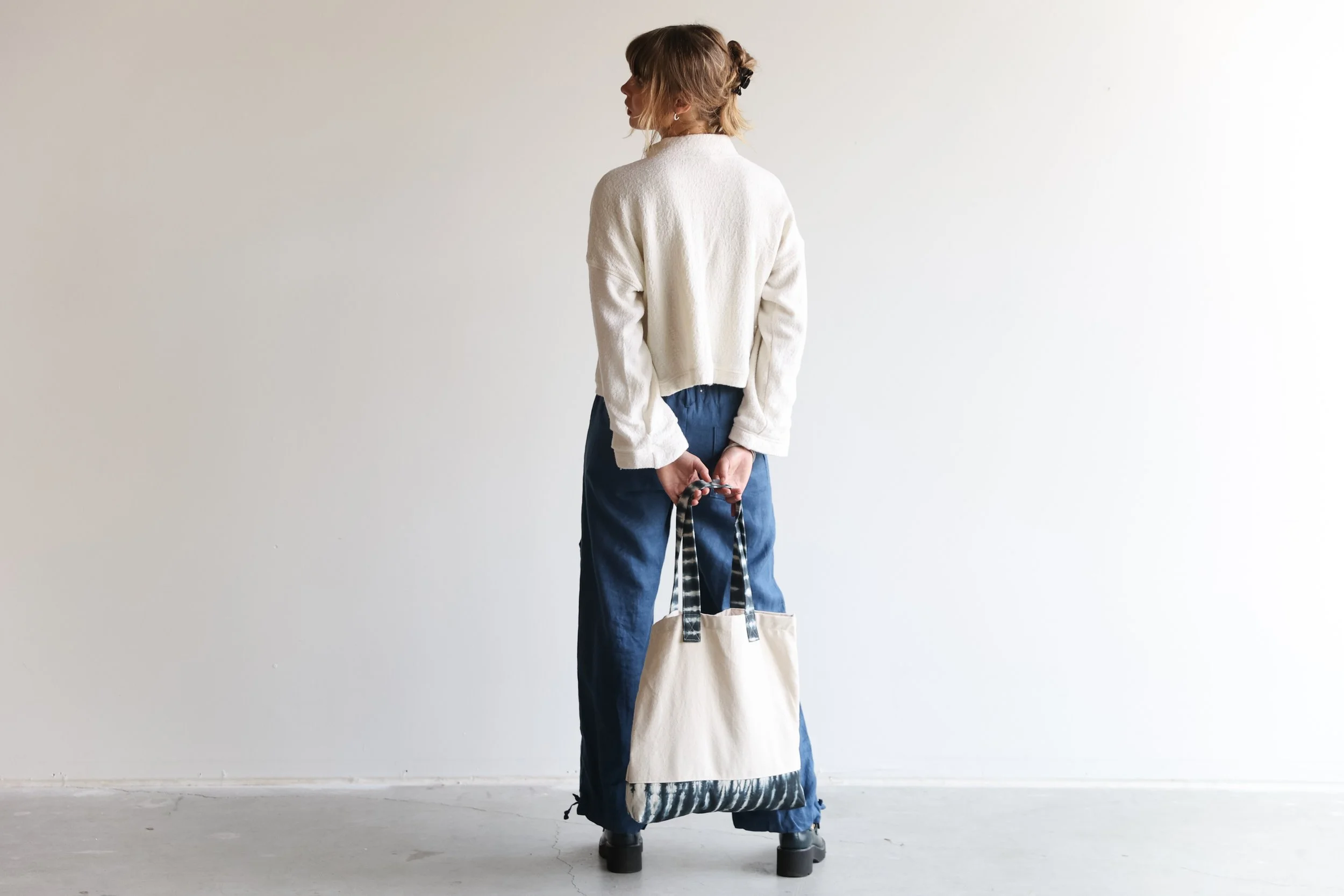
Sustainable Accessories: Giving New Life to Linen and Supporting Local Artists
Leftover linen fabrics are carefully transformed into accessories like scrunchies, hats, and bags, giving new life to materials that might otherwise go to waste. Each piece is practical, durable, and stylish, offering a simple way to enjoy sustainable fashion every day.
In addition, we donate a portion of our linen scraps to local artists and schools. This helps foster creativity in the community and ensures that even the smallest pieces of fabric can have a positive impact beyond fashion.
A minimalist wardrobe means fewer items, each with multiple uses. Accessories like scarves, bags, and hats complete your outfits while extending the life of your clothing.
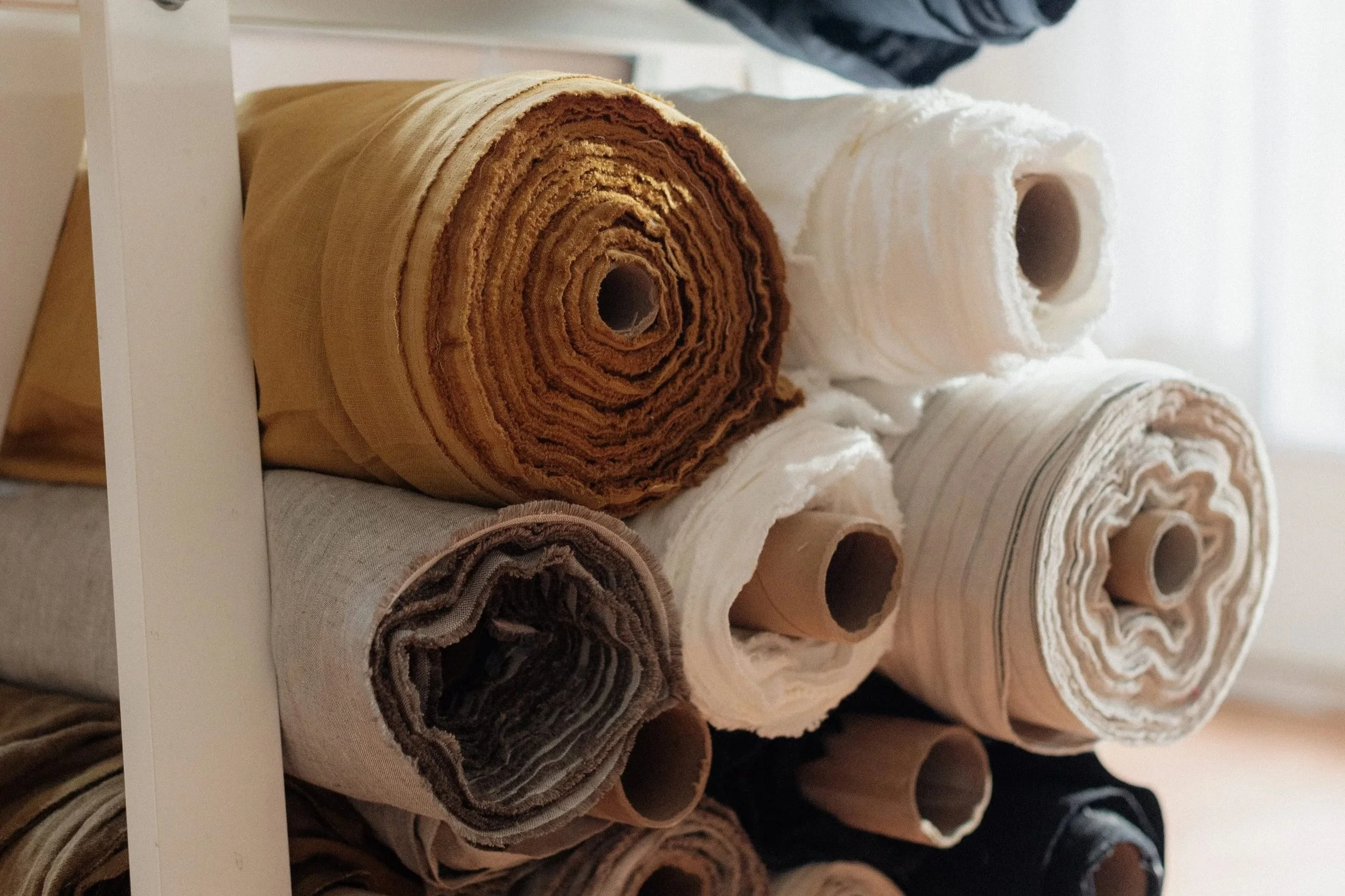
Linen for Sustainable Fashion: The Sustainability Benefits of Linen
Linen is one of the most sustainable fabrics available today, making it a perfect choice for conscious fashion. Made from the flax plant, linen requires very little water to grow and minimal chemicals in its production. This makes it far gentler on the environment compared to conventional fabrics like cotton or synthetic materials.
Durability is another key benefit. Linen is strong and long-lasting, so garments made from it can be worn for years without losing their quality. Over time, linen becomes softer and more comfortable, giving it a natural longevity that reduces the need for frequent replacements.
Linen is also biodegradable, meaning it returns to the earth without leaving harmful residues. By choosing linen, you’re not only supporting sustainable farming and ethical production but also embracing a slow-fashion mindset that values quality, durability, and timeless style.
With its natural beauty, breathability, and eco-friendly qualities, linen is more than just a fabric—it’s a step toward a more conscious and sustainable wardrobe.
Check my blog, The Benefits of Wearing Linen Clothes, so you can read more about this matter.
How to Wash Linen & Other Sustainable Fabrics: A Care Guide for Linen, Wool, Canvas
To keep your linen, wool, and canvas garments looking their best, proper care is essential. All our fabrics are prewashed before sewing to prevent shrinkage, and following a few simple washing, drying, and ironing tips will help preserve their natural texture, colour, and softness.
Care for Linen and Canvas Items
Hand wash or machine wash, cold water (up to 30ºC/86ºF), gentle cycle
To preserve linen’s natural fibers, always wash in cold water or up to 30ºC/86ºF on a gentle cycle. This helps maintain the texture and color of your garment. Avoid hot water, as it can cause the fibers to shrink or distort over time.
Use a gentle or eco-friendly detergent
Linen is a delicate fabric, so use a gentle or eco-friendly detergent. Harsh chemicals can damage the fibers and fade the fabric, so opt for milder alternatives that are kind to both the fabric and the environment.
Hang in the shade to dry; do not tumble dry
Air dry your linen garment by hanging it in the shade to avoid direct sunlight, which can cause fading. Do not tumble dry, as heat can weaken the fabric and lead to shrinkage. Natural drying keeps your garment soft and breathable.
Warm iron if needed
Linen naturally wrinkles, which is part of its charm. For a smoother look, iron on a warm steam setting while the fabric is slightly damp. This makes ironing easier and helps maintain the garment’s shape without overheating the fabric.
Care for Wool and Viscose items
Air-Dry Wool
Wool is naturally odour-resistant and antibacterial, so it stays fresh longer and doesn’t need frequent washing. To refresh your wool piece, simply air it out overnight, especially in slightly damp weather. For small stains, spot clean gently with a mild detergent. When odours linger, it’s time for a proper wash.
Washing Your Wool
Always wash wool gently in cold water. Hand washing is recommended with a wool-safe or mild detergent with a pH of 6–8. Avoid bleach and fabric softeners as they can damage the fibres.
Hand Washing a Wool Sweater
Fill a basin with cold water and a small amount of wool detergent, then swirl gently to mix. Submerge your sweater completely, pressing lightly without rubbing or twisting. Let it soak for 10–15 minutes, then rinse in cold water until the soap is gone. Avoid wringing—press out excess water by rolling the sweater in a clean towel. Lay flat on a fresh towel or drying rack, reshape gently, and keep away from heat or direct sunlight. Do not hang, as this can stretch the fibres.
Ironing and Steaming
Use a low-heat steam iron with a towel or pressing cloth between the iron and the wool to protect the fibres. Alternatively, a steamer works beautifully to remove wrinkles and gently relax the fabric. Steaming can also help restore the shape if the wool has shrunk. Handle your wool gently to keep it soft, natural, and long-lasting.
Made in Victoria, BC: Behind the Scenes of Our Slow Fashion Brand
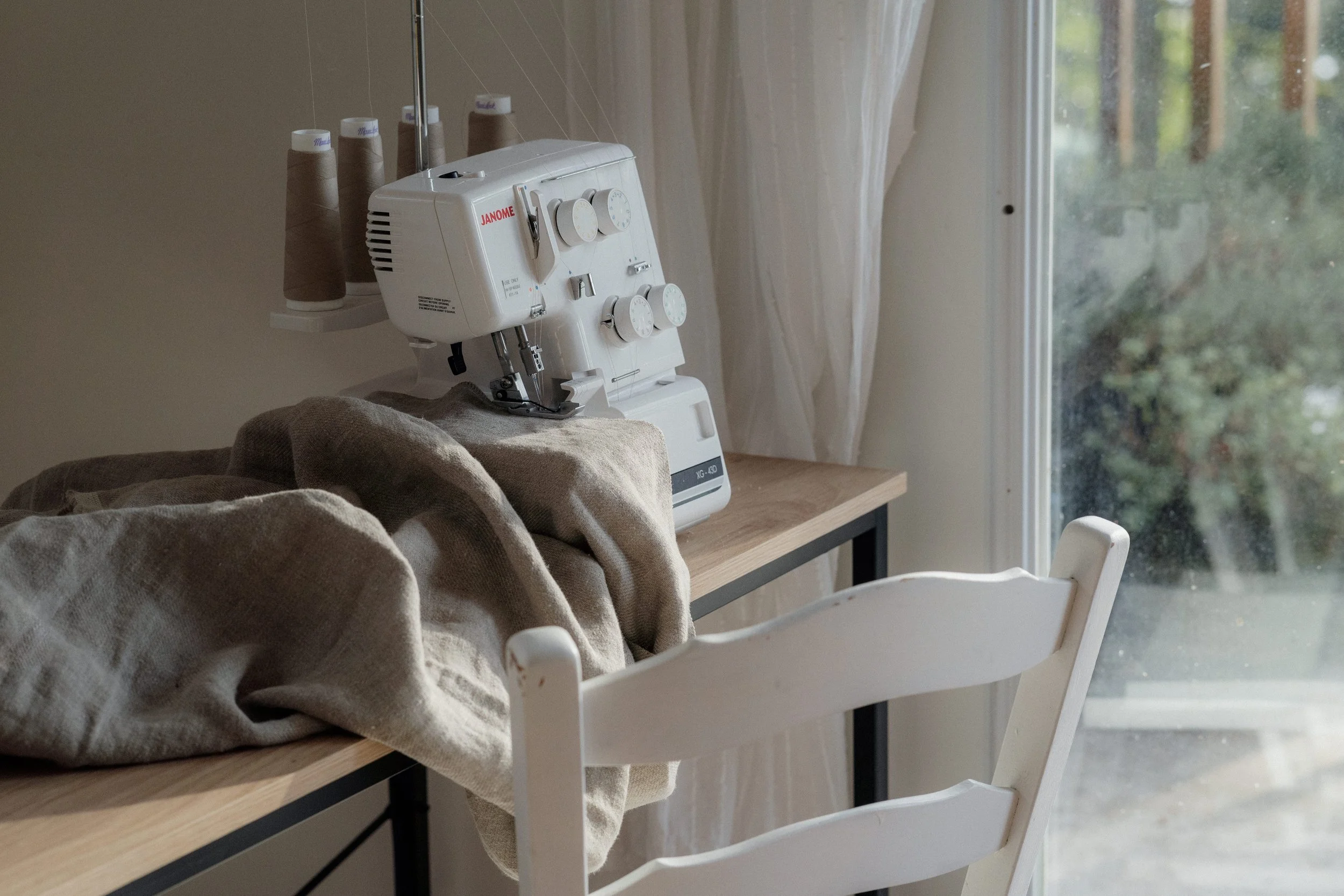
I started Nomi Designs in a small room at my house in Victoria, BC, designing, cutting, and sewing every piece myself. In those early days, I managed every part of the business, from creating the designs to handling orders, all with the goal of producing high-quality, thoughtful, and ethical fashion that respects both people and the planet.
All our fabrics are carefully sourced from local Canadian suppliers, chosen for their quality, sustainability, and natural composition. Linen, wool, and cotton form the core of our collections, and we prioritize materials that are eco-friendly, durable, and kind to the environment.
After about a year, as the business began to grow, I hired my first local seamstress and moved the studio to a larger room in the house. This allowed local customers to visit, try on garments, and place made-to-order pieces in person. Every item is produced in slow batches, ensuring attention to detail, fit, and quality, rather than mass production. I continued designing and assisting with production while managing other tasks, including website design, fabric orders, and coordinating photoshoots with local photographers and models.
Three years in, as Nomi Designs expanded further, I hired two more seamstresses and a team member to help with online marketing and customer outreach across North America. This year, we moved the studio to a new location closer to downtown Victoria, making it even easier for people to visit and experience our collections. Online customers receive personalized attention, with careful correspondence to ensure every garment fits perfectly, and we are happy to make any adjustments if necessary so every customer feels fully satisfied with their pieces.
Every piece at Nomi Designs is carefully handmade by local women in Victoria. I’m proud that our company is fully Canadian, creating ethical, sustainable, and timeless linen clothing. Using locally sourced materials, slow production, and made-to-order practices, each garment is designed to look beautiful while having a positive impact on our community and the planet. Because everything is made to order, I keep only a few pieces in my studio for local customers to try on and explore the designs. This way, there’s no waste or excess, and every item is thoughtfully created just for you.
Buy Less: Join the Slow Fashion Movement
Slow, sustainable fashion has always been about more than just clothing for me—it’s about values, care, and connection. Every piece I create in my Victoria studio is made with love by local women, designed to last, and crafted with respect for both the people who make it and the planet we all share. When you choose thoughtfully made garments, you’re not just building a wardrobe—you’re choosing pieces that tell a story, feel wonderful to wear, and bring meaning to your everyday life.
For me, slow fashion is about taking the time to do things right, from selecting natural fabrics to ensuring each item fits perfectly and brings joy to the wearer. By choosing quality over quantity, supporting ethical practices, and celebrating timeless design, we can all make a small but powerful difference. I hope each piece you wear from my collection reminds you that fashion can be beautiful, responsible, and personal—and that every thoughtful choice matters. By investing in sustainable linen and wool pieces, you create a wardrobe that is elegant, functional, and kind to the planet.
Discover our collection of sustainable linen clothing, designed to last. Make the shift and embrace slow fashion for 2026.